


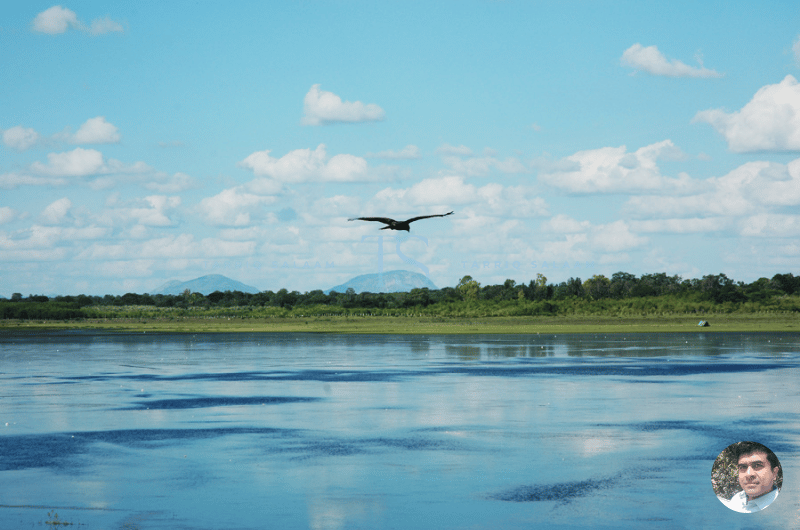
I’m no stranger to Bangalore’s heat and traffic.
So a day trip to Hesaraghatta Lake felt like a breath of Hesaraghatta (see what I did there?).
This historic reservoir (built in 1894 by Dewan K. Seshadri Iyer and engineer M.C. Hutchins
) lies on Bengaluru’s north-west outskirts and is now part of the newly declared Greater Hesaraghatta Grassland Conservation Reserve.
Hesaraghatta Lake isn’t just a place you visit. It’s where Bangalore finally lets you breathe.
In this post, I’ll tell you everything.
How to get there (be ready for bumpy roads or a long bus ride), what to see (285 bird species and wide-open grasslands!), and even where to nab a bite or bed nearby.
By the end, you’ll be packing your sunscreen and binoculars for a weekend escape.
After all, what’s a Bangalore weekend without a cow photobomb or two?
Quick Information: Hesaraghatta Lake
In a rush and pretending you’re “just checking quickly”? I see you 😄
Here’s the TL;DR of Hesaraghatta. Short, sweet, and far less chaotic than Bangalore traffic.
| Feature | Info |
| Location | Hesaraghatta (on NH 44), Bengaluru Urban, Karnataka |
| Distance from Bangalore | ~25 km NW (road distance ~26.5 km). Journey ~1–1.5 hrs by car. |
| Best time to visit | Post-monsoon months (Oct–Feb) when grasslands are green and birdlife peaks. Early mornings or late afternoons (golden hours) to beat the heat |
| Entry fee | Free (no tickets or permits needed) |
| Opening hours | No official gates. Visit during daylight (roughly 6 am–6 pm). Leave by sundown for safety |
| Transport | Self-drive is easiest BMTC bus 253J (Majestic→Hesaraghatta) runs hourly (~1hr15m) From Yelahanka, take BMTC 407 to Ivarakandapura (~1hr). Taxi/Uber is ~₹500 one-way. |
| Parking | Informal roadside parking at lake access points |
| Facilities | Very limited. No restrooms or shops. Bring water/snacks and sun protection |
| Accessibility | Mostly flat grasslands with dirt tracks. Not wheelchair-friendly (uneven ground). Wear sturdy shoes |
| Safety tips | Visit in daylight only (leave by ~6 pm). Watch out for sun (caps/water) and grazing cattle. Mind the wildlife, snakes are rare, but cows are everywhere! |
History
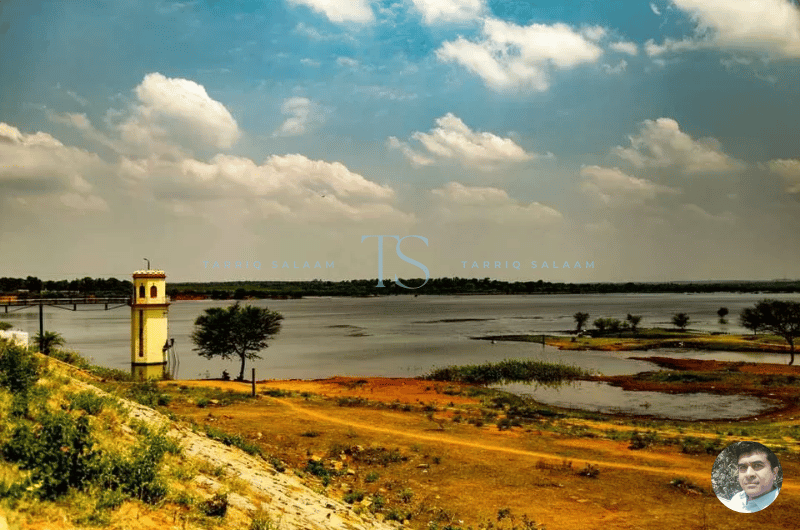
(Source: Tripoto)
So, what’s the deal with Hesaraghatta?
It’s not a Hollywood action hero, but this lake has drama.
Created in 1894 across the Arkavathy River to supply Bengaluru water, it was the brainchild of Sir K. Seshadri Iyer (then Dewan of Mysore) and engineer M.C. Hutchins.
They built it to store three years’ worth of water for the thirsty city.
Imagine thinking three years into the future!
The dam itself is an earthen bund over a kilometre long.
Over time, the lake fell on hard times (by the 1990s, it was often dry) as Bangalore’s appetite grew beyond what old reservoirs could give.
But nature had other plans. Hesaraghatta evolved into a wildlife haven.
Its 4.5 sq km water spread and surrounding 5,000+ acres of grassland and scrub form the city’s last remaining savanna.
In fact, the state finally gazetted the Greater Hesaraghatta Grassland Conservation Reserve (5,678 acres) in 2025 to protect this green lung.
Today it’s famed as one of Bengaluru’s top spots for birds and bugs (more on that later).
A bit of the wild just outside city limits.
How to Get There
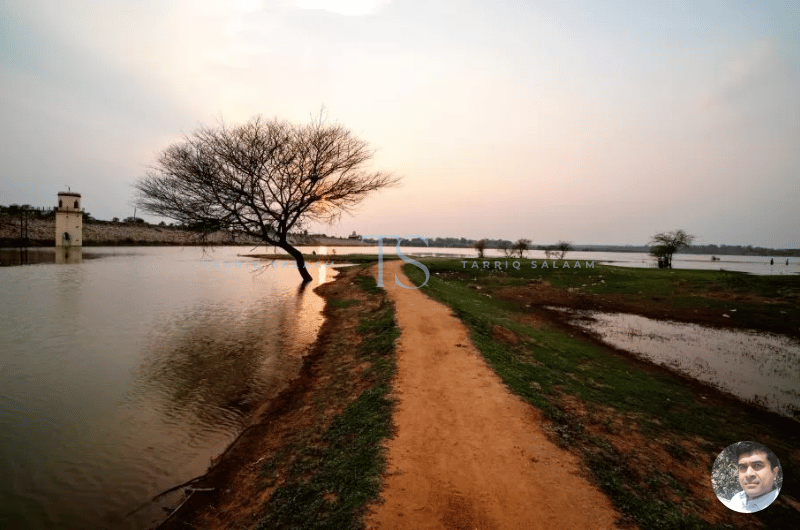
(Source: Tripoto)
Getting to Hesaraghatta is an adventure in itself.
By road, it’s roughly 30–35 km north-west of central Bangalore.
I found it took about an hour from the city via Nagawara/Hesaraghatta Main Road (via NH 44).
The drive is scenic. You’ll pass farms and open countryside.
But note that the final stretch can be a bumpy dirt track.
Definitely don’t try stilettos or a low-slung sports car here.
If you’re a public-transport warrior, BMTC buses serve the area.
I checked that Bus 253J leaves from Majestic (Kempegowda Bus Station) to Hesaraghatta Village and takes about 75 minutes for ~28 km.
From Yelahanka (North Bangalore), BMTC 407 runs to Ivarakandapura (~1 hour), from where you may need an auto or a brisk 2 km walk to the lake.
(Pro tip: Verify current routes. Buses change routes and numbers.)
In practice, most visitors self-drive or cab it.
I popped into an Uber at Hebbal, and the 1hr ride was ~₹500.
Parking is ad-hoc but available near the lake entrance, so don’t fret (though on busy weekends you might have to park a little away and stroll in).
If you’re techno-savvy, Google Maps/Navigator will get you there.
Search “Hesaraghatta Lake.”
The nearest railway station is Yelahanka (still ~20 km away), and the Metro’s green line (Nagasandra/Jalahalli) is ~15–20 km away.
Honestly, a cab or car is so much easier.
Plus, you can blast Tamil pop songs to feel adventurous. 😀
What to Do
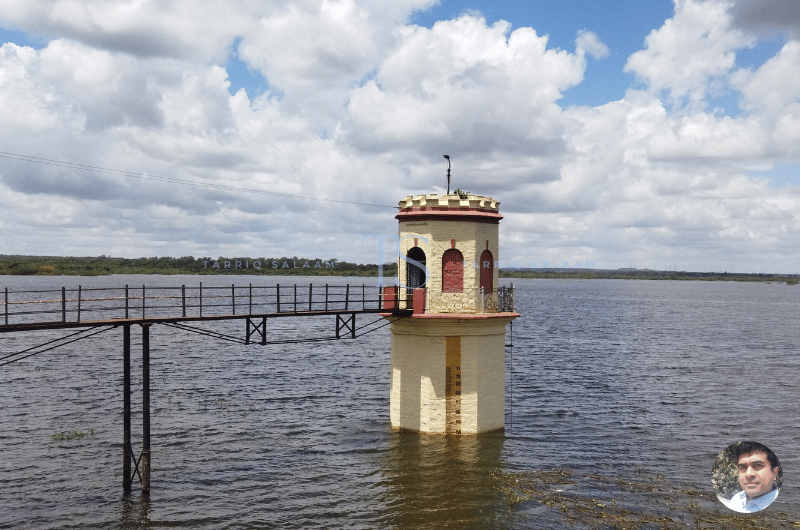
(Source: Wikipedia)
Think of Hesaraghatta as a mini safari-meets-park-meets-picnic spot.
I spent my morning doing a bit of everything:
- Birdwatching: Early birds (like me) catch the bird action! Waterfowl, raptors, and small scrub birds are everywhere. More on this in the next section, but expect to walk slowly and maybe shout “Eagle!” loudly for the thrill.
- Walking/Cycling: There’s a dirt trail that loops partway around the lake. Early on a weekend, I saw plenty of joggers and cyclists. If you have a mountain bike, bring it (or rent from the city). The paths through the grass can be muddy after rain, so sturdy tyres or walking shoes are key. Going solo or with friends, the wide open fields make you feel far from the concrete jungle.
- Photography: Sunset and sunrise are gorgeous here. I caught the late-evening golden glow on the water and the silhouette of leafless acacia trees. All the tips in the world won’t stop me from taking 100+ selfies with the water behind me, but the real views are worth framing. (See “Photography Tips” below for more.)
- Chilling/Picnic: There are a couple of ponds/lagoons at the lakebed edge with little sandbanks. I plonked down a mat with my chai and watched the sun sparkle on still water. There are a few shabby benches near the dam, but mostly you’re picnic-ing on grass. Note: no vendors or cafés here, so pack your own lunch or at least snacks.
- Temple Visit: There’s a small Shiva temple perched on the lake’s edge (visible on Google Maps). Locals pop by to pray, and some visitors wander up the steps. The views from the temple steps are pretty nice, too. A peaceful break from the quiet bird chorus.
- Exploring Nearby: If you want extras, the Hesaraghatta area has some interesting neighbours. The Govt. Poultry Farm (skippable unless you love chicken) and the Government Aquarium in Hebbal (on the way back). Art lovers might drop by Nrityagram (a dance village/ashram 5km away) or the farmland research stations. But to be honest, I spent a leisurely 3–4 hours just at the lake itself, which was enough to make me feel miles away from Bangalore.
Birdwatching & Wildlife
(Source: Wikipedia)
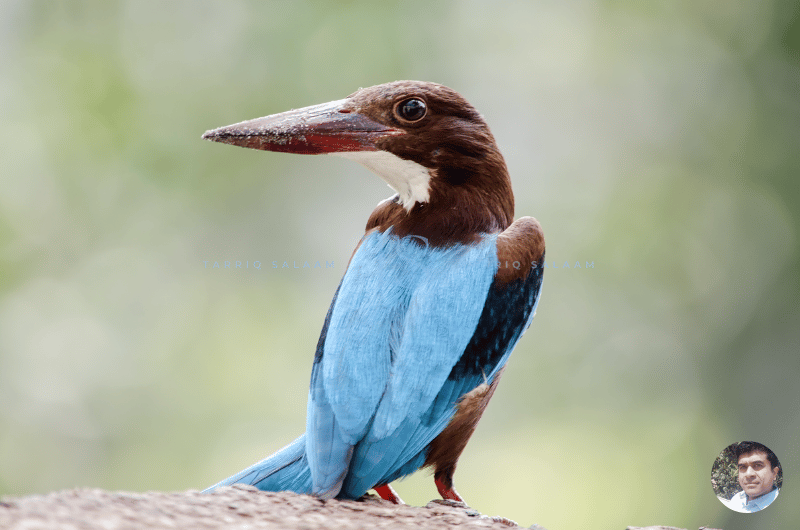
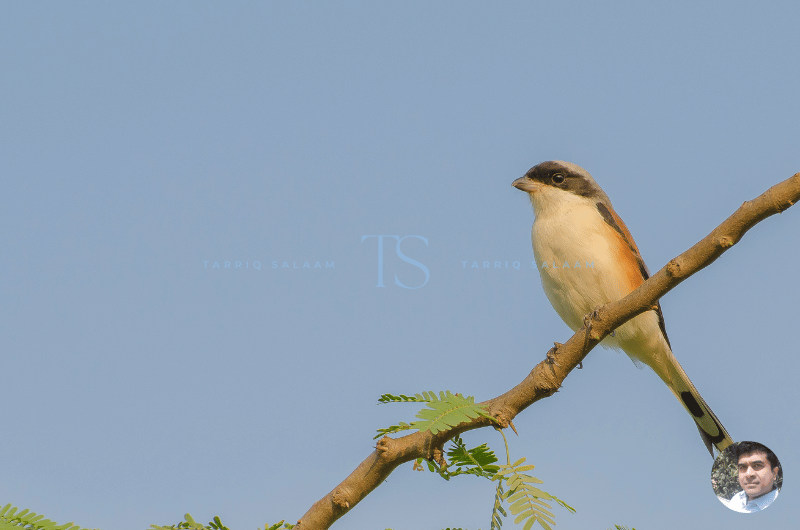
Bring your binoculars, my friends. Hesaraghatta is a bird bonanza.
The conservation reserve records over 285 bird species, including migrants from Europe and Central Asia.
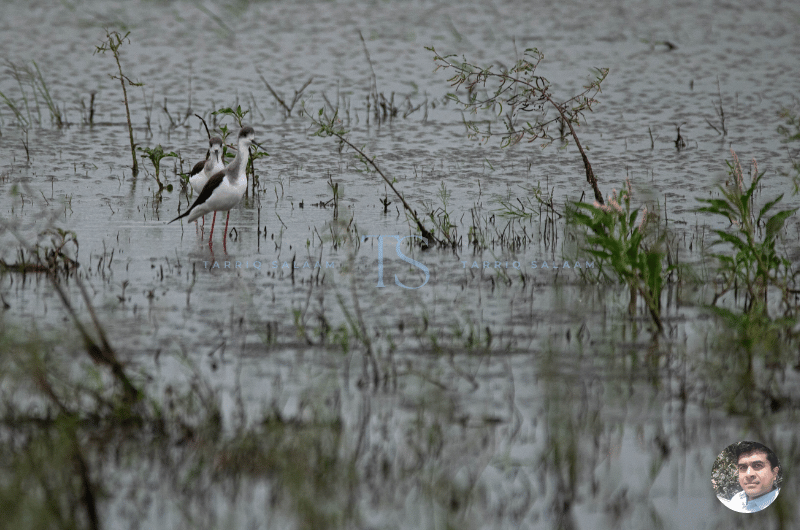
Among them are raptors (kites, eagles), waterbirds (herons, egrets, cormorants), and interesting grassland birds (Ashy-crowned Sparrow-Lark, endemic to dry scrub).
In fact, rare species like the Lesser Florican (critically endangered bustard) have been spotted here (though I only saw lots of kites and egrets).
On my visit, highlights included Brahminy Kites cruising overhead and a patient little Pond Heron striking a fishing pose on the bank.
The far side of the lake has a neat line of trees where birders tend to hunker down.
A lucky few might glimpse Changeable Hawk-Eagles, owlets, or even Egyptian Vultures thermalling.
On clear mornings, we watched bluethroats and bushlarks flit in and out of the grass.
Overhead, Black Kites and a few ominous vultures circled (they usually stay up high, but their silhouettes make for dramatic photos).
Oh, and if you suddenly see a flurry of beeping “Hello!” calls, it’s just me trying to imitate a bird call (I know… I’ll stop). 😀
Beyond birds, the scrub and grassland host jackals, mongoose, and even smooth-coated otters in the lake.
I only saw frolicking monkeys in the trees by the farm, but local lore says leopards sometimes wander near the edges (so maybe don’t wander alone at midnight).
In any case, the rich biodiversity led to the 2025 reserve tag, emphasizing how precious this “lung of Bangalore” is.
Photography Tips
(Source: Wikipedia)
Hesaraghatta is made for photographers.
Wide vistas mean dramatic sunrise/sunset shots.
I recommend the golden hours. Arrive before dawn to catch mist on the water (my camera battery died, of course) or stay for the last light (see my burnt-orange sunset pic!).
The path by the lake edge gives a classic shot, a lone tree reflecting in the water.
Some pointers:
- Go early or late: Midday sun is harsh (and hot). The best light is 6–9 am or 5–6:30 pm. Wanderlog reviewers agree “sunset or sunrise” is ideal.
- Keep it steady: Bring a tripod or stabilise your phone. Those fields are flat and rich in subtle colors. Watch for cows photobombing your landscape.
- Zoom lenses: If you have a zoom, use it for birdlife or for compressing the grassland horizon. I spotted a pair of Egyptian Vultures way off and managed a distant shot. But full disclosure, it’s just a dot in my album.
- Stay on trails: For safety and so you don’t ruin nest sites, stick to the beaten paths for the best vantage points. Most bird watchers walked gently along the edges, and it’s a good way to see lesser-known spots.
- Capture the drama: The sky can do neat things here (dusty oranges or dramatic clouds). I found my best pics were wide shots with lots of sky above the acacia trees. That said, don’t forget details. The dew on grass and insects can also be photogenic.
- Review 100%: Don’t be shy. I probably took 300 photos to get a dozen keepers. At a place like this, a grumpy teenager might mutter, “Again with the lake,” but hey, I’ll wear that crown if the shot’s good.
Where to Eat & Stay Nearby
(Source: Our Native Village Eco Resort)
Little to no dinner party here, folks.
In fact, Hesaraghatta Lake itself has no eateries or hotels.
It’s very much a “bring-your-own-tiffin” kind of spot.
During my visit, I made friends with a friendly samosa vendor who had a shabby stall at the lake entrance (tip: carry some cash and snacks just in case).
Otherwise, plan to eat before or after.
The closest decent restaurants are in Yelahanka or Hebbal (the North Bangalore area), about 10–15 km away.
For instance, the Golden Palms Hotel & Spa (a big resort ~13 km away) has restaurants if you’re looking for comfort food, and small dhabhas dot NH44 near Hesaraghatta village.
For stays, think rustic or city.
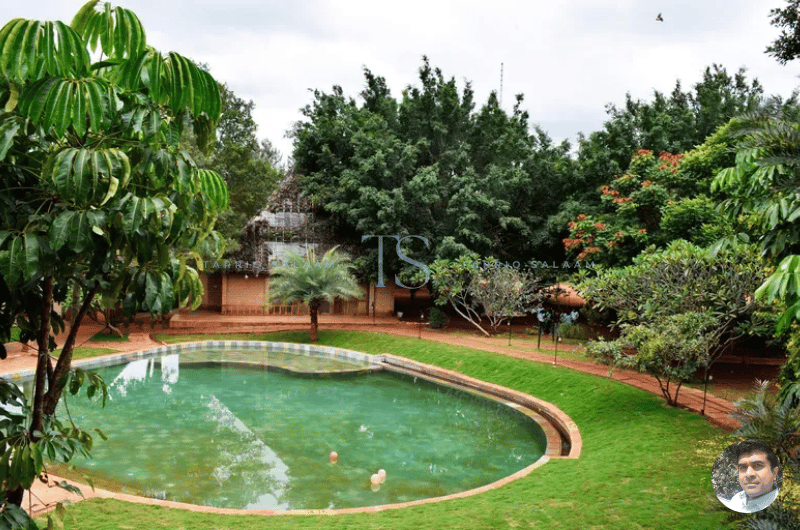
If you want to wake up to bird calls, check out Our Native Village Eco Resort (a rustic farm-themed resort, a couple of km from the lake).
Otherwise, stay in Bangalore’s north.
Plenty of hotels near Hebbal Airport Road or Yelahanka (Golden Palms, Angsana Oasis Spa & Resort, Radisson at Yelahanka) are within a 20–30 min drive.
If you’re brave and trust Google, there are a few homestays and guesthouses in Hesaraghatta itself, but amenities will be very basic.
Where to eat: Zero options at the lake (remember), so come prepared.
I packed tiffin boxes and a flask of cold buttermilk.
Locals sometimes share (a gentleman offered me a banana; I still owe him a candy).
On the way back, we hit a roadside dharamshala-style restaurant (simple veg thali) at Hesaraghatta village, which was surprisingly tasty.
Alternatively, many chain cafés and eateries (Domino’s, Empire Restaurant, etc.) line the Highway if you detour via Yelahanka.
Bottom line: don’t go hungry.
Practical Tips
(Source: Wikipedia)
- Heat & Sun: The Bangalore sun is no joke, and at Hesaraghatta, there’s little shade. Wear a hat or cap, sunglasses, and slather on sunscreen. Carry extra water (I guzzled almost 2 L by noon). Avoid the harsh mid-day (11 am–3 pm) if possible, unless you want to practice fainting dramatically.
- Timing: Best to visit early weekend (Sat/Sun), which gets you sunrise if you can wake up. But weekdays are quieter (fewer crowds, though bus service is thinner). The lake is free and ungated, so technically you could roll in at 6 am or 7 pm, but aim for between 6 am and 6 pm. Remember: “leave by dark” isn’t just advice. There’s no lighting after sunset, and navigation becomes trickier.
- Dress code: Expect cows, crows, and some curious locals. Dress casually but respectfully (especially if you wander near the temple). Long pants and sleeves are good to ward off the sun/bugs. Bugs? Not too bad in dry season, but we did spot a few leeches clinging to damp ground in monsoon season (I kept swatting at my ankles like a paranoid mosquito magnet).
- Footwear: You’ll walk on uneven dirt and grass. I recommend walking shoes or sturdy trainers. Flip-flops? Unless you’re a ninja, you’ll slip. Also, if it rained recently, the grassland can turn into a red mud-spa (no, you cannot eat the mud-spa).
- Wildlife caution: No major predators lurking (the “leopard in Bangalore” tale might give you pause, but trust me, it’s more rumor than reality). Still, keep a distance from any animals. People say cattle roam freely, which is true. Friendly but unpredictable, so don’t provoke them.
- Guides and Groups: You can hire local nature guides or join a bird-watching group (Bird Count India often organizes walks). Personally, I just wore my “expert traveler” hat and winged it. If you’re new to birding, a local guide or an app like eBird/BirdNET can help identify chirps.
- Permits: Currently, none needed. It’s open public land. Just show up and savor the sights (bonus: being a noob tourist, no one asked me for anything).
- Stay safe: The biggest tip is to leave before dark. Also, keep the phone GPS on. Because once, I swear, the trail looked like it took me into a cow field that clearly had NO exit. I politely asked a buffalo, who did not take me to the parking lot. Your phone will guide you (or fight you for signal, the usual Bangalore tech fight).
- Backup plan: If the lake looks dry (it does in summer), come for the grasslands instead. They’re oddly pretty even when brown. Also, nearby attractions: if the lake disappoints, swing by Nrityagram or the Horticultural Research Institute (famous flower gardens). An extra 30 minutes won’t kill you.
FAQ
Is there an entry fee or permit needed?
Nope, Hesaraghatta Lake and its grasslands are open and free to visit. No tickets, no payment booth. It’s a public area (and one could argue it’s our civic duty to enjoy and protect it).
What are the opening hours?
There are no official gates. It’s open 24/7 in a sense. Practically, you should only visit during daylight (roughly 6 am–6 pm). No one’s physically stopping you at night, but the advice (and local lore) is to leave by sundown for safety. The grasslands get pitch dark quickly after sunset.
How far is it from Bangalore, and how long does it take?
About 30–35 km north-west of the city centre. By car, it’s roughly an hour (traffic permitting). Bus ride from Majestic is about 75 minutes. It can feel longer if you’re stuck behind a milk truck on a narrow lane, so pack patience (or a good road-trip playlist).
What’s the best time of year/day to visit?
Best season: Post-monsoon (Oct–Feb). The grasslands bloom golden-green, and migratory birds are around. Dry summer is hot, and the lake may be empty, though you’ll see more livestock then. Best time of day: Early morning or late afternoon (golden hours). The blog (ahem, me) even advises sunrise/sunset for the best experience. Midday can be sweaty and hazy.
What can I do there?
Birdwatching and nature walks are the big draws. Bring binoculars and spot egrets, kites, herons, and more. You can cycle or stroll the dirt trails, picnic by the water, or simply soak up silence. Some people even fish (catch-and-release) or do “wild camping” in groups (but check local rules if tempted). There’s a small temple on-site, and the lake’s dam wall is photogenic, so snapping selfies is fair game.
Are there facilities (toilets, food, parking)?
Facilities are minimal to none. There are no toilets or shops at the lake. Bring everything you need (water, snacks, hat, etc). There’s some roadside parking near the entrance, but no official parking lot. It’s on a “first-come, first-park” basis. The nearby villages (Hesaraghatta or Jalahalli) have small cafes/dhabas if you drive a bit further.
What should I wear/bring?
Dress casually and protect yourself from the elements. Think hat, sunglasses, sunscreen, insect repellent. Wear walking shoes (it’s dirt/grass underfoot). If going in the monsoon, you’ll need rain gear and non-slip boots (the grassland will become a muddy puddle). Don’t forget your camera/binoculars! Also carry some change or ₹100 for an emergency tea.
Is it safe there?
Generally safe. You’ll mostly see other day-trippers and farmers. However, don’t stay after dark. Avoid showing off valuables (like a fancy camera lens) to random cows. There are often stray dogs (they’re friendly enough, but don’t encourage them home). The sun/hydration is a bigger risk: I’ve known people to faint from heatstroke on Bangalore’s own savanna. So cap up, hydrate, and stroll at a relaxed pace.
Can I see any special wildlife?
Yes! Hesaraghatta’s claim to fame is its birds, over 285 species recorded. Keep an eye out for stately egrets, white-bellied herons (they fly in from water nearby), and, if you’re lucky, scarcer birds like the Lesser Florican. Reptile-wise, there are small snakes and lizards in the scrub, but they shy away from humans. The lake might have a glimpse of an otter or two, so look near water edges. Basically: bring your inner David Attenborough.
Any quick day-trip itinerary suggestion?
Sure. See the flowchart below for my ideal day (a.k.a. “Not Eating Enough Idlis Day”):
6:00 AM: Arrive & Birdwatching
8:00 AM: Cycle or Hike
11:00 AM: Lakeside Picnic Lunch
2:00 PM: Explore Grasslands & Wildlife
4:30 PM: Sunset & Golden Hour Photos
6:30 PM: Head Back (before dark)
This way you catch dawn activity, avoid the worst heat, enjoy the late light, and still make it home by dinnertime. Of course, as a rebel, I sometimes stretched it with chai until 7:00 pm (oops), but don’t tell my mother I said that. 😉
Ready for a Quick Escape?
After trudging through Bangalore’s concrete for a week, Hesaraghatta felt like a guilt-free “skip class and spend it in nature” day.
And trust me, you need one of those.
This place is cheap (free!), easy to reach for a day, and offers something for everyone.
Bird nerds, bike enthusiasts, photographers, or even nap-enthusiasts (yes, I took a short siesta under a tree).
So what are you waiting for?
Pack a cap, your camera, and that friend who complained about your last “picnic by a pond” trip.
Sprint out of town to Hesaraghatta Lake. Your lungs (and spirit) will thank you for the wilderness hit.
Just please leave the cow pun for someone else (graze reporting from the grasslands!).
Safe (and happy) travels.
Found the article informative? Was it helpful?
Let me know in the comments below. I’d love to hear from you. 🙂
Follow me for more insider guides, lesser-known facts, and unforgettable experiences across Bangalore and beyond.
Until next time,
Exploring Bangalore, one story at a time — right here on tariqsp.com.
(Feature image source is from Wikipedia)

Need Help in Bangalore?
Whether you’re looking to buy, sell, or rent property in Bangalore, need assistance with property documentation or liaison work, or just need help getting something, rather, ANYTHING done in the city, I’m here to help.
And if you’d like to get featured or want an article written about you, your business, or your brand, feel free to reach out.
Just drop me a line at hello@tariqsp.com or ping me on WhatsApp (bottom right of the screen).
I’m always happy to connect! 🙂
Tarriq Salaam

